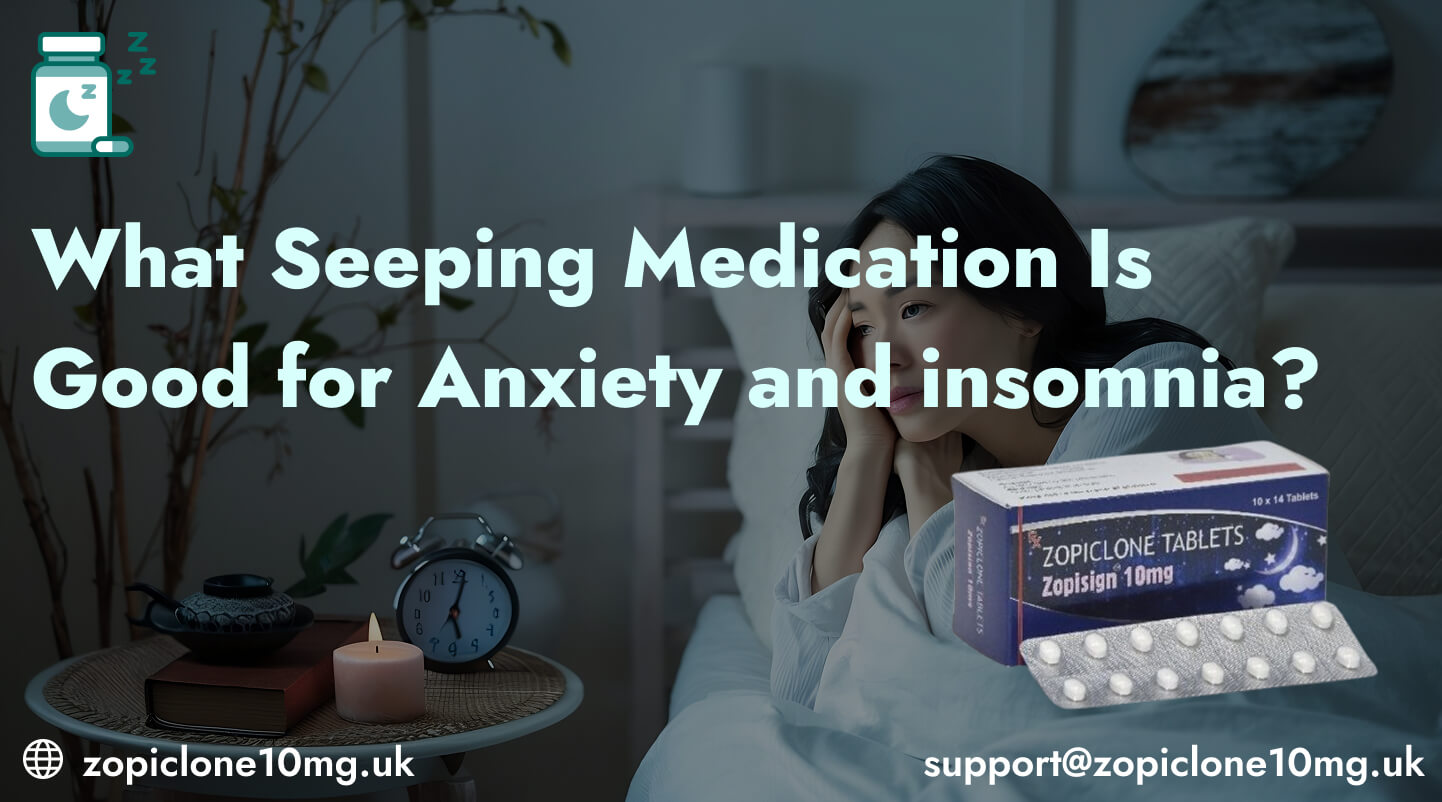
Which Sleep Medications Help with Anxiety and insomnia?
Sleep issues, Anxiety and insomnia are meant to occur together. If your mind is distracted by worries, it becomes difficult to fall asleep. People with anxiety issues may have difficulty falling asleep, staying asleep, or waking up too early. This creates a frustrating cycle where anxiety causes sleep problems, and sleep problems worsen anxiety issues.
If you are wondering, “What is the best Sleeping Pills for anxiety?” this article will help you understand the options available and what you should consider before making a decision.
Why Anxiety Affects Sleep
Anxiety triggers the body’s “fight or flight” response. This raises heart rate, muscle tension, and alertness, all of which are the exact opposite of what you want when falling asleep.
Even if your body is exhausted, your mind may still be racing, replaying conversations, thinking of worst-case scenarios, or worrying about the next day.
Chronic anxiety can cause insomnia over time. In some cases, simply treating the anxiety will help with sleep without needing a separate sleep medication.
Types of Sleeping Medications That May Help With Anxiety
There isn’t a “best” medication that works for everyone. It depends on your symptoms, medical history, and whether you are Treating anxiety and sleep problems.
Non-Benzodiazepine Sleep Aids (Z-Drugs)
Examples include:
- Zolpidem
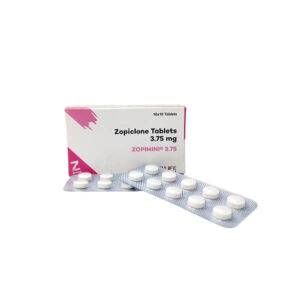
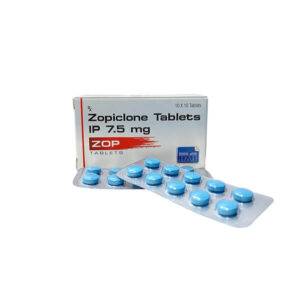
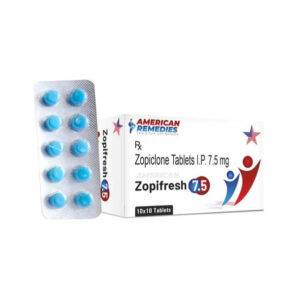
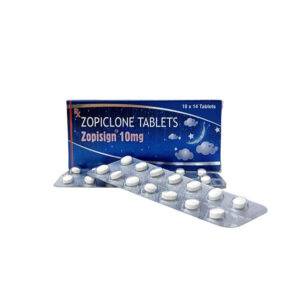
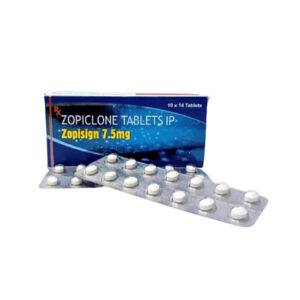
- Zopiclone (Zopiclone 3.75 pil | Zopiclone 7.5 mg | Zopiclone 10mg)
- Eszopiclone
These are mainly prescribed for insomnia. Although they are not anti-anxiety drugs, they do promote the onset of sleep, which in turn can reduce anxiety levels caused by lack of sleep.
Best for:
- Difficulty falling asleep
- Insomnia (short-term)
They are less likely to cause dependence than traditional benzodiazepines.
Benzodiazepines
Examples include:
- Diazepam
- Lorazepam
- Alprazolam
These drugs work by quickly relieving a person of anxiety and also have a sedating effect, which makes them useful for dealing with insomnia that is a result of anxiety on a short-term basis.
How these drugs work:
- Calm racing thoughts
- Relax muscles
- Promote sleep
Important note: These drugs can cause dependence when used for a long time. They are normally used on a short-term basis.
Antidepressants With Sedative Effects
Some antidepressants are often prescribed when the anxiety is chronic and associated with depression or generalized anxiety disorder.
Examples:
- Trazodone
- Mirtazapine
- Amitriptyline
These medications may:
- Reduce anxiety over time
- Improve sleep quality
- Help regulate mood
Unlike other Zopiclone Dosage that act immediately, antidepressants take a few weeks to work fully for anxiety.
Should You Treat Anxiety or Insomnia First?
In most cases, addressing the anxiety is more effective than taking a sleep medication.
If the anxiety is present throughout the day and not just at night, your doctor may prescribe the following:
- Cognitive Behavioral Therapy (CBT)
- Anti-anxiety medications
- Lifestyle modifications
If the problem is sleeping and the anxiety is only experienced at night, then sleep medications would be appropriate.
Cognitive Behavioral Therapy for Insomnia (CBT-I)
Before resorting to medication, most physicians will recommend CBT-I. This organized therapy is useful in overcoming the negative thought processes and behaviors that disrupt sleep.
CBT-I involves the following:
- Sleep hygiene
- Relaxation techniques
- Stimulus control
- Anxious thought restructuring
Research indicates that CBT-I is as effective as medication in managing insomnia.
Risks and Side Effects to Consider
All drugs have the possibility of side effects. Some of the common side effects include:
- Daytime drowsiness
- Problems with memory
- Dependence or withdrawal symptoms
- Interactions with other drugs
- Loss of efficacy over time
Long-term use of sleep aids without treating the underlying anxiety can make the problem worse in the long run.
Lifestyle Changes That Support Both Anxiety and insomnia
Medication is most effective when used in conjunction with healthy lifestyle choices.
Consider the following:
- Maintaining a consistent sleep schedule
- Avoiding caffeine consumption in the late evening hours
- Reducing screen time in the hours leading up to bedtime
- Engaging in deep breathing or meditation practices
- Regular physical activity
Even small lifestyle changes can make a big difference in the symptoms of both Anxiety and insomnia
When to See a Doctor
You should consult a healthcare professional if:
- The sleep problems have persisted for more than two weeks
- Anxiety affects daily life
- You are dependent on sleep medications
- You have panic attacks or experience extreme distress
Your doctor can help identify whether your symptoms are caused by generalized anxiety disorder, panic disorder, depression, or primary insomnia.
What Is the “Best” Sleeping Medication for Anxiety and insomnia?
There is no “best” solution for everyone. The best treatment for anxiety-related insomnia is determined by:
- Severity of anxiety
- The length of time insomnia has been a problem
- Other health conditions
- The risk of dependence
- Individual reactions to medications
In the case of short-term insomnia caused by anxiety, a course of benzodiazepines or Z-drugs may be prescribed.
In the case of long-term anxiety, antidepressants or therapy may be a safer and more effective treatment.
Wrapping It Up
If you are wondering, “What is a good sleeping medication for anxiety?” the honest answer is that it depends on the individual. While certain medications can calm the mind and help an individual sleep, the best way to relieve anxiety is to treat the cause of the problem.
Before taking any kind of sleeping medication, it is important to speak with a professional about the risks and benefits. By taking a professional approach, therapy, and making lifestyle changes, individuals can find the best way to help them sleep soundly and alleviate their anxiety.
Sleep and mental health are closely related. When one is improved, the other will often follow.
One Comment